

'Insidious' new twist on old scam: How fraudsters are impersonating federal agents
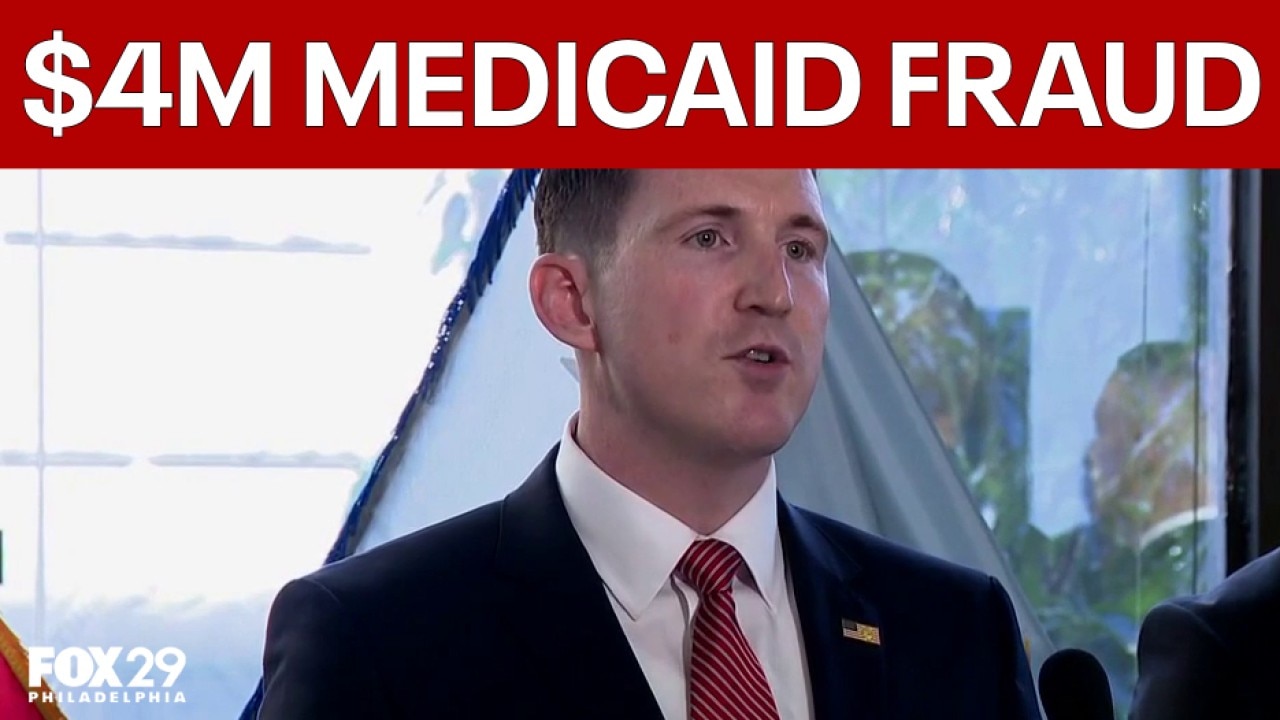
19 charged in $4M Medicaid fraud in Pennsylvania
Federal and state officials announced criminal charges against 19 people and a Philadelphia-based home health care company for allegedly defrauding Pennsylvania’s Medicaid program out of more than $4 million, according to the Department of Justice.
NEW JERSEY - Scammers are taking a classic fraud scheme to the next level by adopting new tactics to impersonate federal law enforcement officers.
According to a recent warning from FBI Newark, criminals are now posing as agents from the FBI, DEA, and Secret Service using ‘insidious’ methods specifically designed to bypass victims' verification checks.

Hundred dollar bills are seen in this photo illustraiton in Warsaw, Poland on 21 September, 2022. Despite a drop in Treasury yields the US dollar has rallied which experts say may speak to a worldwide demand for liquidity. (Photo by Jaap Arriens/NurP
‘Insidious’ new twist
What we know:
Fraudsters are no longer relying on simple cold calls; they are using publicly available information and technology to pull off deceptive tactics:
- Spoofed phone numbers: Scammers manipulate caller ID to display the authentic phone numbers of federal field offices.
- Real agent names: Callers introduce themselves using the names of actual federal agents. If a victim calls the field office to check, the receptionist will confirm that the agent is a real employee,
- Staged virtual meetings: Criminals are utilizing online video platforms to host meetings, staging their backgrounds to look like an official FBI office, complete with a fake FBI seal, a desk, and a perpetrator dressed in a suit.
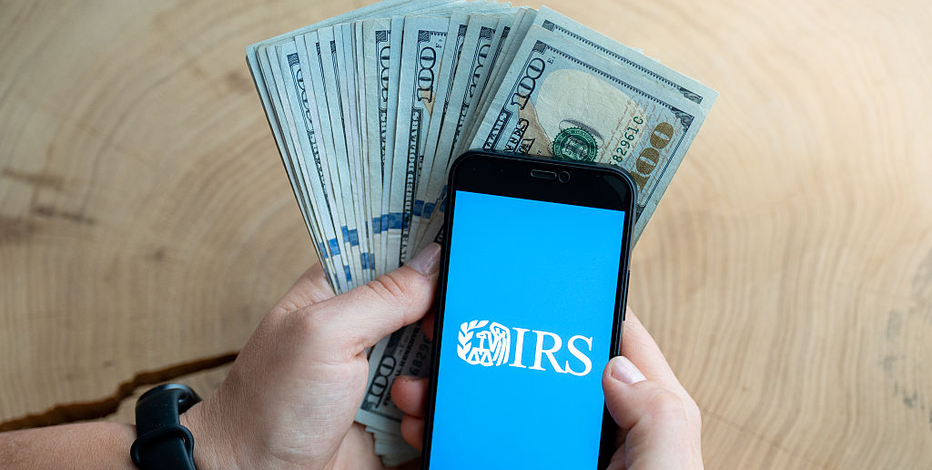
IRS launches mobile app for refund tracking and payments as agency targets fraud
The IRS has launched a mobile app that allows taxpayers to track refunds and make payments directly from their phones.
How to Protect Yourself
What you can do:
The FBI stresses that legitimate federal law enforcement will never demand money over the phone or via a virtual meeting. To safeguard against this evolving threat, officials say to follow these steps:
- Keep your money safe: Never send money to anyone claiming to be a federal law enforcement agent.
- Verify independently: Look up the agency's official phone number yourself rather than relying on the number provided by the caller. When you call, explicitly tell the operator you suspect you are being targeted by a scam and need to verify the caller's identity.
- Contact headquarters: If you cannot reach a local field office, call the agency’s main office in Washington, D.C. Most federal law enforcement agencies maintain toll-free 800 numbers.
- Document and report: If a fraudster initiates a video call, take screenshots or record the video and submit the evidence online.
- Call the FBI directly: You can reach a genuine FBI representative at any time by calling 1-800-CALL-FBI.
The Source: Information from this article was sourced from a press release from FBI Newark.