

Iran latest: Trump says US, Iran peace deal "largely negotiated, subject to finalization"
The United States and Iran are close to agreeing on terms that could end the war, sources told The Associated Press.
The potential agreement comes as uncertainty looms over whether attacks against Iran will resume. President Donald Trump has said he will hold off on military strikes while "serious negotiations" are underway, though he said the ceasefire will end if Iran doesn't make a deal.
Here's the latest:
Trump: Iran agreement "largely negotiated"
A peace deal between the United States and Iran is in the process of being finalized, and both sides are currently discussing the final details, according to a new post from President Trump.
In his statement, Trump did not include many details at the heart of the conflict, saying those would be announced shortly. However, he did state that the agreement would lead to the reopening of the Strait of Hormuz.
Trump's post noted eight Middle Eastern countries, in addition to the United States and Iran, that participated in a call about the negotiations that led to the current memorandum of understanding. He added that has also discussed the deal with Israeli Prime Minister Benjamin Netanyahu.
US, Iran closer to memorandum of understanding
What they're saying:
Secretary of State Marco Rubio told journalists in India that "there’s been some progress made" and "there may be news later today." Meanwhile, Iran signaled "narrowing differences" in negotiations amid more talks in Tehran led by Pakistan’s army chief.
Officials expressed hope that a final decision on the draft could come within 48 hours as both sides review it.
Nuclear issues are not part of the current negotiations, as Tehran first seeks to end the war before discussing its nuclear program that has long been at the heart of international tensions, Iranian state TV reports said. The Strait of Hormuz, a critical trade route that's effectively been closed since the war began, is among the topics being discussed.
Sources told AP that Vice President JD Vance and envoys Steve Witkoff and Jared Kushner played large roles in bridging remaining gaps, and that Qatar helped by sending a senior official to Tehran to support Pakistan’s mediation efforts.
Iran describes it as a "framework agreement" for more talks.
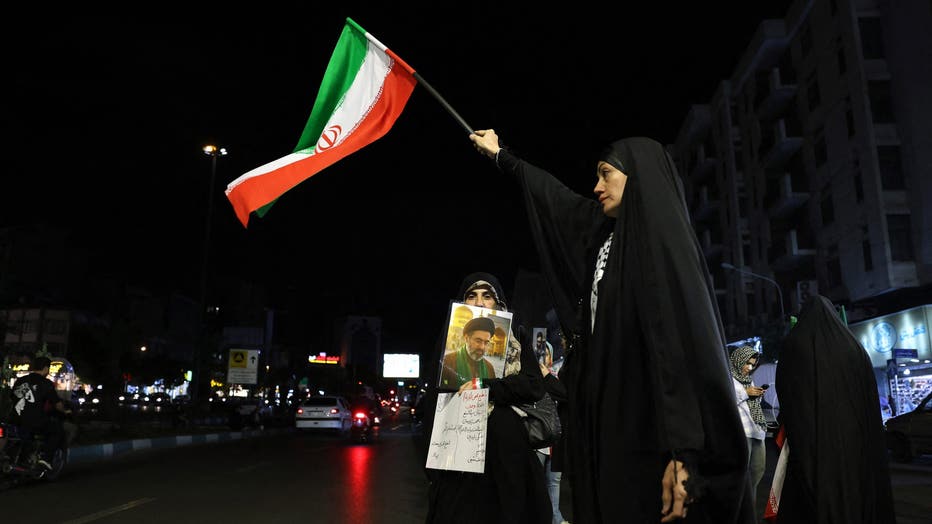
Women hold Iran's national flag and photo of country's supreme leader Ayatollah Mojtaba Khamenei during an anti-US and Israel protest at the Hafte Tir Square in Tehran on May 17, 2026. (Photo by AFP via Getty Images) /
Rubio says ‘slight progress’ made in peace talks
Secretary of State Marco Rubio said "slight progress" was made during talks Friday with Iran.
Rubio's comments about negotiations with Iran came ahead of a meeting of NATO foreign ministers in Helsingborg, Sweden, where the military alliance discussed what role it could play in helping police the Strait of Hormuz once the war is over.
Rubio said he did not want to exaggerate the progress, saying there had been "a little bit of movement and that's good." In recent weeks, repeated claims of progress have emerged, but a deal has stayed out of reach.
RELATED: Fifth ship boarded in US blockade of Iranian vessels
Trump has repeatedly set deadlines for Tehran and then backed off. But he’s also previously indicated he would hold off on military action to allow talks to play out, only to turn around and launch strikes. That happened at the war’s outset, when he ordered strikes in late February shortly after indicating he would let talks play out.
The president said he called off attacks on Iran this week at the request of allies in the Middle East.
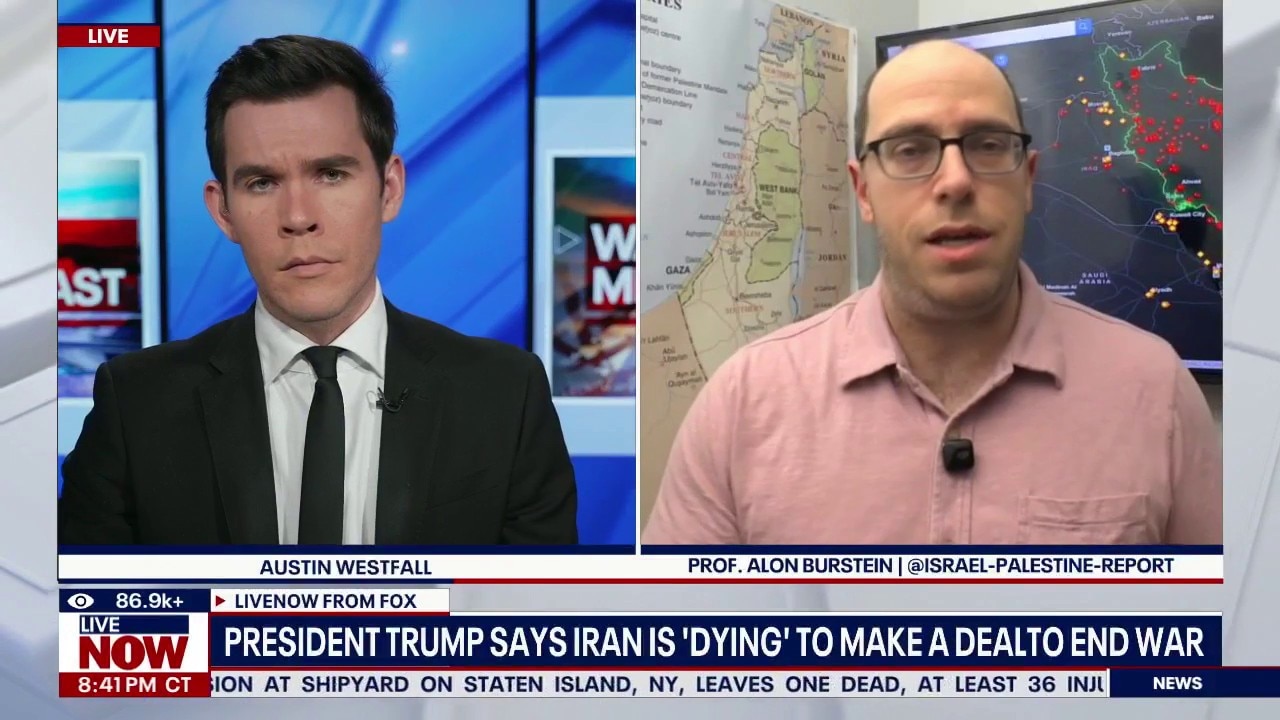
Trump says Iran is 'dying to make a deal' to end war
President Donald Trump said Friday that Iran is "dying to make a deal" to end the war. Professor Alon Burstein from the The Israel-Palestine Report joins LiveNOW's Austin Westfall to discuss.
More talks in Iran
Pakistan's top army officer arrived Friday in Tehran for talks with Iranian leaders, Pakistani officials and the military confirmed. It's the third round of meetings between Pakistani and Iranian officials in recent days.
Field Marshal Asim Munir will be joined by Pakistan’s interior minister, who has already met with Iranian leaders in Tehran twice this week. Pakistan has sought a deal between Iran and the U.S. since Munir facilitated face-to-face talks between the two countries in Islamabad last month.
Qatar also sent a delegation to Tehran, according to a regional official who spoke on condition of anonymity due to the sensitivity of the talks. The delegation is working in coordination with other countries, including Egypt, Turkey and Saudi Arabia, the official said.
At the NATO meeting in Sweden, Rubio said he discussed reopening the strait with other foreign ministers. He said there needs to be a "plan B" if Washington and Tehran fail to reach a deal.
"Someone’s going to have to do something about it, OK?" Rubio said, insisting that Iran was not going to "voluntarily reopen" the strait.
No mines found in Strait of Hormuz
The American military has not found or destroyed any explosive mines in the Strait of Hormuz so far, but it is still searching, a U.S. official said Friday.
No ships have been struck or damaged by mines in the strait either, according to the official, who spoke on condition of anonymity to discuss sensitive military operations. That is even as some commercial traffic has been flowing, though at much lower volumes than before the war began.
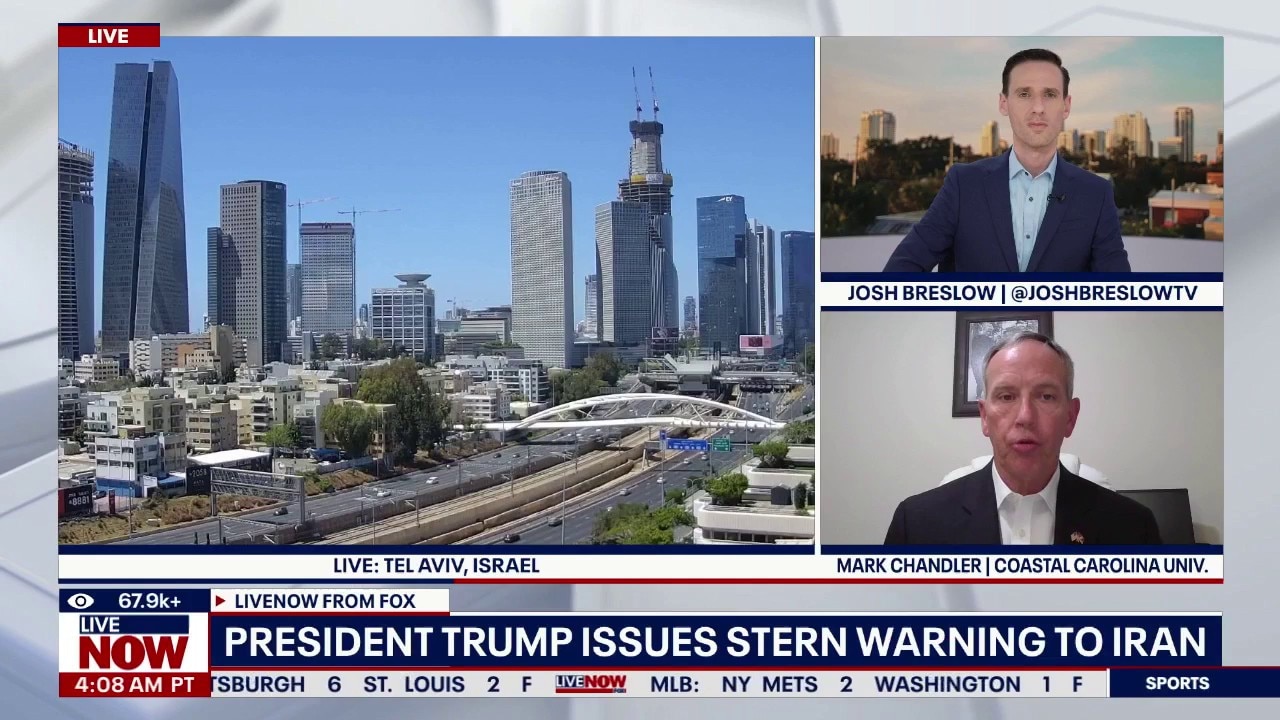
Trump said last month that he ordered the military to begin mine-clearing efforts as part of a broader push to get commercial ships to traverse the strait again following several attacks by Iran.
No evidence of mine-laying by the Iranians has emerged since the start of the conflict, and U.S. officials have repeatedly said that they targeted and destroyed that capability as part of the airstrikes across the country.
Trump's tension with Netanyahu
Trump's decision to give more peace talks a chance sparked tension with Israeli Prime Minister Benjamin Netanyahu.
An official who spoke on the condition of anonymity because they were not authorized to speak to the media said Thursday that Trump and Netanyahu had a "dramatic" phone conversation Tuesday about the status of the Iranian negotiations and that Israel is angry with Trump’s efforts to strike a deal with Iran.
The White House declined to comment on the substance or tenor of the call. Trump told reporters after the conversation that Netanyahu "will do whatever I want him to do."
The comments are some of the first public signs of daylight between the leaders since they launched the war.
The Source: This article includes information from The Associated Press and previous FOX Local reporting.