

No pennies, no problem: Here's how NJ cash rounding rules will work

Last minted pennies sell for $16.7 million at auction
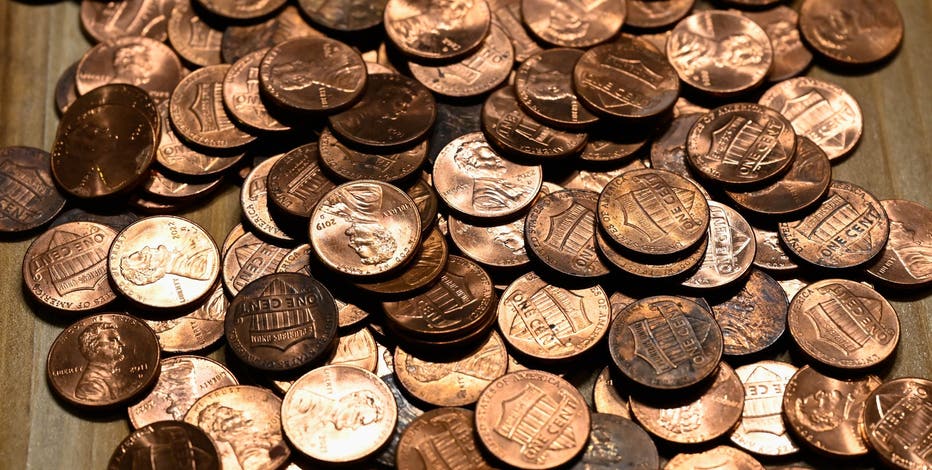
A special auction featuring nearly 700 rare pennies brought in almost $16.8 million, according to the auction house. The coins, sold Thursday by Stack’s Bowers Galleries, included the final 2025 circulated pennies produced by the U.S. Mint, paired with a unique 24-karat gold uncirculated penny in three-coin sets. In total, 232 sets — containing pennies from the Mint’s final production runs in Philadelphia and Denver — sold for $16,764,500.
NEW JERSEY - With the federal government officially halting the production of pennies in November 2025, New Jersey has taken steps to prepare the local economy for a phaseout of the one-cent coin.
What we know:
The bill, which was first introduced this past June, establishes clear rounding guidelines for businesses choosing to adapt their cash transaction processes.
By providing standardized rules, the legislation aims to ensure clarity and fairness for both businesses and consumers as physical pennies become less common.
How cash rounding works
By the numbers:
For businesses opting into the rounding system, the adjustments are applied strictly to the final cash transaction total, after all taxes, discounts, fees, and other adjustments have been calculated. The bill outlines a precise formula for adjusting cash payments to the nearest multiple of five cents:
- Rounding down: Final cash transaction totals ending in one, two, six or seven cents must be rounded down.
- Rounding up: Final cash transaction totals ending in three, four, eight or nine cents must be rounded up.
These rounding rules apply exclusively to physical cash payments. Purchases made using a credit card, debit card, check, wire transfer, or any other noncash payment method are entirely exempt from rounding and will continue to be charged down to the exact cent.
House votes to end penny production permanently: What to know
The House has advanced legislation that would formally end penny production. Here's what to know.
Consumer protections and enforcement
Why you should care:
The bill includes explicit guardrails to protect shoppers from unfair practices. While businesses are permitted to round up transactions, any business that adopts the policy but improperly rounds up a customer’s bill in violation of the rules faces significant financial penalties:
- First offense: $1,000 fine.
- Second offense: $2,500 fine.
- Subsequent offenses: A $5,000 fine for the third and each following violation, with each day the violation occurs constituting a separate offense.
The legislation also preserves the ability of businesses to run charitable donation programs, inviting customers to round their purchases up as a donation.
What's next:
The proposed law passed a committee vote with overwhelming support last week and is moving forward in the legislative process. If signed into law, the act takes effect 30 days after enactment.
The Source: Information from this article was sourced from New Jersey legislation Assembly Bill No. 5233.