

Pennsylvania measles cases reach 1,679 across 46 counties as state adds 41 new infections
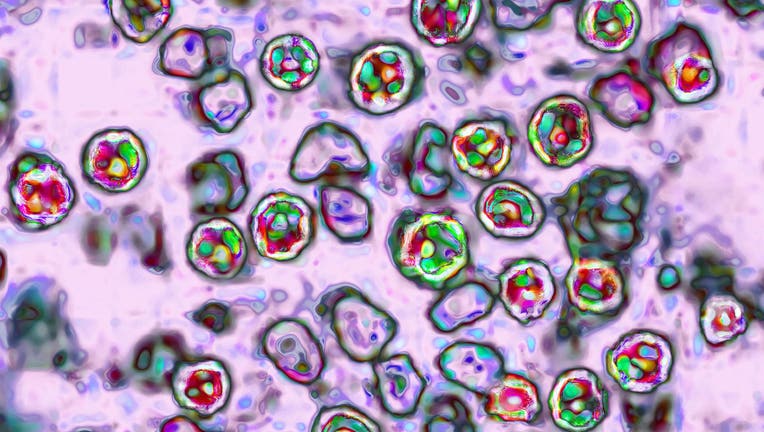
The measles virus, paramyxoviridae from the Morbillivirus family, transmission microscopy view. (Photo by: BSIP/Universal Images Group via Getty Images)
PENNSYLVANIA - Pennsylvania health officials announced Wednesday that the state's ongoing measles outbreak has climbed to 1,679 confirmed cases across 46 counties, with 41 new infections reported since Monday.
According to the Pennsylvania Department of Health (DOH), the outbreak—which began in late April—has led to 340 hospitalizations and nine confirmed measles-associated deaths so far in 2026.
Local perspective:
State health data shows that nearly all infections have occurred in unvaccinated residents, with only five cases—less than 1% of the total—reported among vaccinated individuals.
Since the outbreak started, roughly 300 DOH staff members have worked with local communities and health providers to expand access to the measles, mumps and rubella (MMR) vaccine:
State nurses have administered more than 12,000 MMR doses in 2026, including nearly 7,600 shots across 292 pop-up vaccination clinics.
Statewide vaccine demand has surged well above the typical monthly average of 25,000 doses, with providers administering more than 56,000 doses in September, over 62,000 in October and more than 40,000 so far in November.
DOH's response team meets every other week with Centers for Disease Control and Prevention (CDC) staff to review cases and coordinate containment efforts.
Vaccination guidance
By the numbers:
Health officials emphasize that two doses of the MMR vaccine provide 97% lifetime protection against the virus.
Because of ongoing community spread, DOH recommends:
- Infants 6 to 11 months old: An early "zero dose" for babies living in or traveling to counties flagged on the state's measles dashboard for sustained transmission. This early shot does not replace the two routine doses.
- Children 12 months and older: One dose immediately if unvaccinated, followed by a second dose at least 28 days later.
- Adults: Anyone with two documented doses does not need another shot, while adults with only one dose or missing records should consult a health care provider or pharmacist.
MMR vaccines are available through primary care providers, county or municipal health departments, DOH State Health Centers, Federally Qualified Health Centers and the Vaccines for Children program.
Symptoms and how it spreads
What's next:
Measles is a highly contagious respiratory virus that spreads through breathing, coughing or sneezing, and can linger in the air and on surfaces for up to two hours after an infected person leaves an area. Nearly 20% of Pennsylvanians diagnosed during the outbreak have required hospitalization, and severe complications can include pneumonia and brain swelling.
Symptoms typically appear 7 to 21 days after exposure—and people are contagious from four days before until four days after a rash develops. Early signs include:
- Fever, cough and runny nose
- Red, watery eyes
- A rash that starts on the head and spreads downward a few days later
Anyone who believes they were exposed and is experiencing symptoms should contact their health care provider or call the state's toll-free hotline at 877-PA-HEALTH (877-724-3258).
The Source: This article was written using a press release from the Pennsylvania Department of Health.